
Trauma Therapy in Saskatoon and Online
Move Past Survival Mode and Find Relief from the Weight of the Past
Trauma isn’t just a memory of what happened to you. It’s the lasting impact left behind in your body, your emotions, and your relationships.
When past hurt lingers, it can feel like you’re stuck in survival mode—constantly on edge, shut down, or overwhelmed by reactions you can’t quite control.
If this sounds familiar, it doesn’t mean something is wrong with you. It means your mind and body did everything they could to protect you. With the right support, you don’t have to stay stuck in those old patterns. Healing is possible, and you don’t have to do it alone.
Why You Can’t Just “Think Your Way” Out of Trauma
Have you ever felt frustrated because talking about a problem doesn’t actually make the heavy feelings go away?
Trauma changes how your body senses safety and stress. When your nervous system gets overwhelmed, it reacts much faster than logic can keep up with. That’s why simply trying to “think positive” or analyze what happened often leaves people feeling stuck.
Unresolved trauma often shows up in daily life as:
-
Always feeling on guard: Finding it hard to relax, feeling jittery, or bracing for bad news.
-
Sudden emotional waves: Unpredictable anger, sudden panic, or feeling numb and disconnected.
-
Tension in relationships: Finding it hard to trust people, pulling away, or fearing abandonment.
-
Coping habits that backfire: Overworking, emotional eating, or using habits that help in the short term but hurt down the road.
Effective trauma therapy doesn’t just ask you to talk about the past—it helps calm the physical stress in your body so you can finally feel safe in the present.
How Internal Family Systems (IFS) Therapy Helps
To help you get to the root of what’s hurting, we use an approach called Internal Family Systems (IFS) therapy.
Instead of fighting your anxiety or trying to get rid of difficult feelings, IFS helps you understand the different “parts” of yourself.
For example, you might have:
-
A part that feels anxious and wants to control everything.
-
A part that feels deep hurt, fear, or self-doubt from the past.
-
A part that numbs you out with distractions or exhaustion.
None of these parts are bad—they are simply trying to protect you the best way they know how. In IFS therapy, we work together to listen to what these parts need, heal the painful memories underneath, and help you regain a sense of inner calm, confidence, and clarity.
What You Can Gain from IFS Therapy:
-
Relief from PTSD and CPTSD: Lessen the intensity of flashbacks, nightmares, and panic.
-
Clearer self-understanding: Make sense of your thoughts and feelings instead of feeling confused by them.
-
Freedom from shame: Let go of harsh self-criticism and old beliefs that make you feel “not good enough.”
-
Greater self-compassion: Treat yourself with patience and kindness, even on hard days.
-
Practical tools for stress: Learn simple ways to calm your body and mind when emotions feel too intense.
Frequently Asked Questions
What makes IFS different from traditional talk therapy?
Traditional talk therapy mostly focuses on analyzing your thoughts. IFS goes a step deeper: it helps you understand the underlying emotions and protective habits driving those thoughts. Instead of fighting your inner critic, IFS helps you resolve the root pain so your mind can quiet down naturally.
Can IFS therapy help if I don’t have “major” trauma?
Yes. Trauma isn’t defined only by catastrophic events. It can come from childhood neglect, feeling unseen, chronic stress, difficult breakups, or feeling like you had to grow up too fast. If unresolved experiences are affecting your happiness today, this approach can help.
Will I have to relive all of my worst memories?
No. You are always in control of the pace. IFS is a gentle, step-by-step approach. In this approach we help you find compassion for yourself first. You never have to relive the memories of the past the way that they happened. Clients who found other approaches, including EMDR, too intense often value how IFS lets them set the pace.
What is the difference between CPTSD and PTSD?
PTSD often develops after a specific frightening event, such as an accident or assault, and shows up as flashbacks, nightmares, avoidance, and feeling constantly on edge. Complex PTSD (CPTSD) usually grows out of prolonged or repeated trauma, often in childhood or in relationships, and includes those same symptoms along with deep shame, difficulty managing emotions, and trouble trusting or feeling close to others. Whichever label fits, both respond to treatment, and you don’t need a diagnosis to start healing.
Is doing trauma therapy online as effective as doing it in person?
Yes. Studies show there isn’t a significant difference between the effectiveness in mental health therapy in-person versus online. Some people prefer one type over the other. Online therapy can be convenient if you are located outside of Saskatoon. For all of our sessions you can switch from an in-person appointment or an online appointment with just a text or phone call. We use high quality lighting, cameras and microphones to make the experience as seamless as possible.
What can I expect in a first session?
The first session is not unlike a first session with a talk therapist. You can share as much of your story that you are comfortable sharing. We discuss your concerns and goals. If there is enough time the therapist will then explain how IFS helps and what an IFS session looks like. In that first session you can get a sense of your fit or comfort with the therapist and whether you want to continue. There is no obligation to book in another session. If you decide you want to come back you can discuss how frequent you would like sessions going forward.
Take the First Step Toward Relief
You don’t have to carry the weight of the past by yourself. Reach out today to schedule a confidential consultation and learn how trauma therapy can help you feel grounded and at peace again.

Trauma Therapists in Saskatoon
Thomas Friesen | IFS Informed Therapist

I’m Thomas Friesen, I use IFS trauma therapy to help people uncover their true selves, heal the wounds that cause anxiety and stress, and navigate difficult life transitions.
I am a Canadian Certified Counselor and qualify for benefit plans that cover the services of psychotherapists and clinical counsellors. You can find out more about me here.
I am located in Saskatoon, Saskatchewan and operate on Central Standard Time year round. I’m also available online.
Click here to reach out or book online..
Leighton Tebay | IFS Therapist
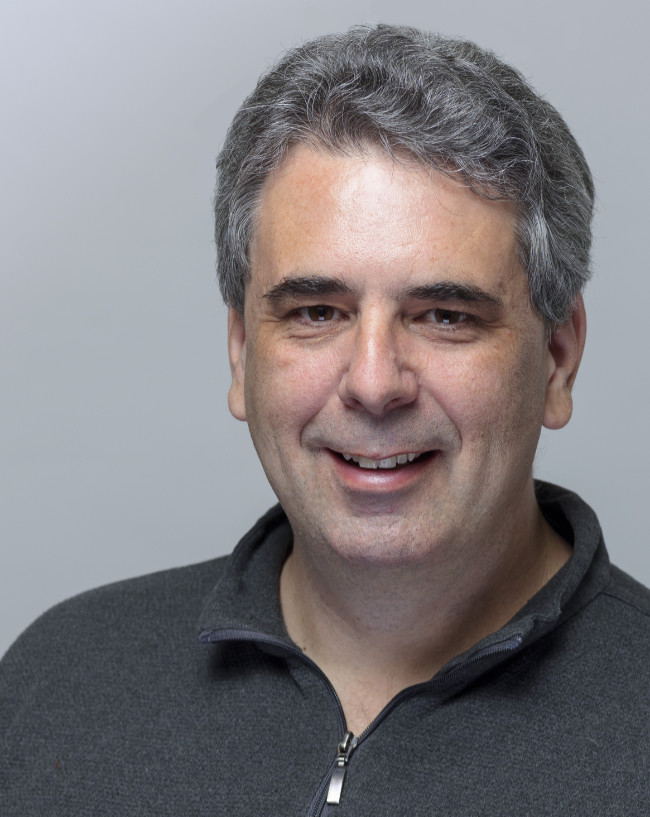
I’m Leighton Tebay, a Level 2 IFS Therapist and I’d love the opportunity to help you get free of trauma and find out how good life can be. IFS trauma therapy is at the core of my approach to therapy and I have over 7 years experience using it with my clients.
I am a Canadian Certified Counselor and qualify for benefit plans that cover the services of psychotherapists and clinical counsellors. You can find out more about me here.
I am located in Saskatoon, Saskatchewan and operate on Central Standard Time year round. I’m also available online.
Click here to reach out or book online.