
IFS treatment for CPTSD offers hope for breakthrough healing
Living with CPTSD can feel like carrying invisible wounds that never quite heal. Finding an effective treatment for CPTSD can be daunting. You might struggle with emotional overwhelm, unpredictable triggers, difficulty trusting others, or a constant sense of being “on alert.” If you are reading this, you may suspect you have CPTSD—or you already know you do—and you are searching for clarity, understanding, and a path toward healing.
People with CPTSD feel like a mess sometimes. They are trying to navigate overwhelming emotions that are difficult to understand. They do not know why they react the way they do and feel frustrated with their lack of control. Through all this they carry a deep disappointment with themselves for how they feel and what they do. Despite this they feel powerless to stop it all for anything more than a short amount of time. It feels like they have lost themselves in a sea of emotions and excessive behaviours.
Fortunately, Internal Family Systems (IFS), a model deeply grounded in compassion and neuroscience, is increasingly recognized as one of the most effective approaches for treating complex trauma. Inspired by the work of Dr. Frank Anderson and the IFS model developed by Dr. Richard Schwartz, this article will guide you through what CPTSD is, how it affects you, and why IFS is a great option to help you heal deeply and safely.
What is CPTSD?
Unlike PTSD, which often stems from a single traumatic incident, CPTSD develops through repeated, ongoing trauma—usually in the context of important relationships. This includes:
- Childhood emotional or physical neglect
- Growing up with unpredictable caregivers
- Being shamed, criticized, or humiliated.
- Domestic violence
- Living with a caregiver who struggled with addiction, mental illness, or emotional instability.
In CPTSD, the trauma comes not from an isolated event but from a relationship that should have offered safety. The emotional wounds that we call trauma come about from two main ways.
Too much of the wrong things:
- Insults
- Physical abuse
- Sexual exploitation
- Emotional Manipulation
- Shaming
- Constant fear and vigilance
Not enough of what we do need:
- Nurture
- Love
- Guidance
- Boundaries
- Physical needs met
These emotional wounds stick with us, even as the rest of us develops around it.
Compared to typical PTSD people with CPTSD usually have more than one traumatic experience and more than one kind of traumatic experience. So it would not be just neglect, but it could be neglect, shaming, and excessive physical punishment. In short PTSD is the nervous system’s response to a traumatic event, CPTSD is the body responding to a traumatic environment.
CPTSD convinces our nervous system the world is not safe.
When the nervous system is repeatedly overwhelmed, the brain learns one lesson: the world is not safe. We develop parts of ourselves to keep ourselves safe, often from the hazards we encountered growing up. Unfortunately, these safety mechanisms do not necessarily turn off when the threat is over, so they carry over in other areas of life. Many problems that we have in the present are solutions to old problems that do not work any more (or never worked that well in the first place.
This can look like:
- Hypervigilance
- Sensitivity to rejection
- Perfectionism
- People pleasing
- Risky or unhealthy coping with behaviors or substances
- Avoidance and shutting down.
- Self-criticism
- Rage or blaming others
- Anger and volatility.
This is not an exhaustive list. These reactions are not best understood as character flaws despite the problems they can cause in relationships. More than anything they are survival strategies. They are parts of you doing their best to keep you safe. It can be confusing and even mystifying because sometimes these survival strategies keep running well after the threats that drive them are gone. They can be extreme or react disproportionately to situations you are in.
The Core Symptoms of CPTSD
CPTSD often shows up through:
- Emotional flashbacks
- Persistent shame
- Difficulty feeling safe with others
- Disorganized relationships
- Deep loneliness
- Fear of abandonment
- Perfectionism or self-criticism
- Dissociation or “going numb”
If these resonate with you, you are not alone. People with Complex trauma often diagnosed with other conditions like depression, anxiety, Borderline Personality Disorder, PTSD, substance-use disorders, and dissociative disorders. While CPTSD or relational trauma are recognized in the trauma therapy world the official manual for defining disorders in North America does not have a category for CPTSD. At least not yet.
The World Heath Organization does recognize CPTSD. They define it has PTSD with three clusters of symptoms:
- Disrupted sense of self (feelings of worthlessness, shame, identity disturbance
- Difficulty regulating emotions (intense anger, sadness, emotional numbing)
- Relational disturbances (difficulty trusting, connecting, or maintaining relationships).
Talk therapy falls short as treatment for CPTSD
Trauma impacts our nervous system in areas apart from the part our brain that thinks. Approaches to therapy that focus primarily on how you think about things fall short of full healing. Changing your thinking is part of recovery from CPTSD, buy by itself it is insufficient. You really cannot talk or think your way out of trauma.
Trauma impacts the part of our brain that functions as our threat detector. It functions outside of our conscious thought. It is fast, very fast. Sometimes physical threats come at us quickly and we need to react quickly. So, this part of our brain sets off the alarm which puts our whole body in react mode. We might be getting ready to fight, flee or freeze to find safety. In doing this we literally shift power away from the thinking part of our brain. Which is why when that threat detector goes off, we find ourselves just reacting and it is very difficult to not overreact.
Even though we can learn things that help us get out of that activated mode, the intensity or suddenness of the experience catches us off guard and we are too overwhelmed to be able to use exercises to calm down. When we are taught that the key to being better is to think differently or use exercises to maintain control we inevitably blame ourselves for failing over and over again.
CPTSD causes us to develop complex survival mechanisms
The continuous experiences of trauma fragment us internally. Our nervous system develops what the IFS world regards as parts to take on distinct roles keep us safe or helping us cope with pain.
Sometimes these parts take over leaving us bewildered or confused.
People with CPTSD describe feeling:
- Detached from themselves
- “Like different versions of me take over”
- “Like I’m watching my life happen”
- “Like I have no idea what I feel”
These are not failures—they are parts doing their best.
Polarization
Sometimes parts of us are not well coordinated. We may have a part that wants to use anger to challenge someone who hurts us, while another part feels it is deeply unsafe to be seen and just wants to run or hide. It isn’t uncommon to become polarized inside of ourselves.
Some other polarizations include:
- A part that fears the judgment and another that uses alcohol to ease social anxiety
- A part that feels deep loneliness and other that pushes people away before they get too close
- A part that strives for perfection and another that feels resentment because no one recognises your sacrifice and wonders why you try
- A part that feels it needs to go the extra mile to please people and another that looks for relief from the exhaustion of never caring for yourself
Wounded parts
Aside from the protective and coping parts we have parts that hold the hurt, shame, traumatic memories and feel deep loneliness. We often do our best to push them away from so that we can keep functioning. If you have ever heard people saying they stuff away there feelings, that is what this looks like. Other approaches to therapy might call them an inner child, but they is usually more than one and they aren’t all necessarily young.
Traumatic Memories
We form traumatic memories when encounter an overwhelming or threatening event. Often in that memory there are three elements. We feel genuinely threatened, there is no one to turn to and there is nothing we can do to escape.
These memories have distinct characteristics:
- They are fragmented and sensory: We may only remember them in bit and pieces and can experience them with images, smells, sounds or bodily sessions. Sometimes people feel like they have been transported back in the past and are reliving the moment.
- They are accompanied by strong emotion like fear, shame or terror
- They active our fight/flight/free response system
- They can be triggered by random occurrences or elements of life that remind us of the even or there is a similar kind of threat
Burdens
The wounded parts also hold what we can broadly consider shame. This is a deep emotional sense of being flawed or not good enough. It can be distinct like being not good enough to belong, to be loved, to be accepted, to be useful or be included.
Sometimes we accumulate shame from what people tell us directly. It might be a parent telling us we are useless or comparing us unfavourable to siblings. Sometimes it is just implied. If we are neglected or uncared for our brains, try to make sense of why. The easiest conclusion to come to is that we did not deserve to be cared for and therefore are not worth enough for people to care.
Why use IFS as a treatment for CPTSD?
CPTSD creates a complex internal system
IFS is a deeper and more thorough approach to healing than other trauma healing methods.
The effectiveness of approaches like EMDR, ART, EMI and Brainspotting is well known. They all focus on memories but do not address the complex internal relationship between our wounded parts and the parts that are trying to protect us. For people without complex trauma there is not the same need to, so reprocessing those difficult memories is safe.
When our hurt has been fueling our attempts to keep ourselves safe for a long time, there can be a lot of internal apprehension about healing. There needs to be a deeper shift, where all parts of you learn to trust in something other than your hurt and fear to keep you safe.
IFS helps people to trust in an alternative to that hurt and fear. IFS calls this self-leadership. Inside everyone at the core of their being people can find their course of compassion, courage, clarity, confidence, and curiosity. Before our wounded parts can heal, they need to be confident that by letting go they will not just get hurt again. They might have been living for long this way they do not enough know what it would be like to not use the safety strategies they have used for most of their life.
Self-leadership
The IFS process helps people find their “self-leadership” to take center stage in life so you that they can live out of goodness and compassion rather than driven by fear. The goal here is not get rid of parts but help our protective parts find a healthy way to function and help our wounded parts to heal.
In this process the IFS therapist guides you in building a relationship with each of your parts. There is no judgment or labelling. They bring their patience, kindness, compassion, and curiosity to the process. The more compassion you and your parts can take in the better. A qualified IFS therapist will bring their experience in working with parts to help you find and flow from your own self-compassion. Their suggestions show you how to engage your parts to address their needs and build trust. They might even talk to your parts directly to help. They can help pace the process to ensure that you do not become overwhelmed or try to rush things.
Love heals trauma
Compassion and self-compassion are the healing agent. As Frank Anderson says, “Love heals trauma.” Through IFS people learn to find that compassion and extend to every part of themselves making the healing process much more tolerable. There is a deliberate strategy to build relationships with all parts with gentleness and respect. This helps us navigate and address the conflict and polarizations we find within ourselves.
How IFS brings healing
Reprocessing memories
Guided by compassion the IFS process helps reprocess the traumatic memories not unlike some other trauma healing approaches. Though there is no point in the process where people need to relive traumatic events the way they originally happened.
Befriending lonely parts
It is common to have parts that feel deep loneliness. While checking for safety and comfort we embrace these parts giving them the love they need.
Unburdening or letting go
It also helps parts let go of the burdens they carry, like feelings of shame or unrealistic expectations. Parts get unstuck, exit extreme roles, and go towards more healthy functioning.
What does life look like after successful IFS treatment for CPTSD?
When parts are healed or move towards healthy functioning roles there can be a dramatic change. People are no longer triggered into a fear response. The loneliness is gone and so is the deep emotional pain. People no longer have to cope their overwhelming anxiety, because whatever anxiety they experience not fits the situation. Without that shame it gets easier to give and receive love making it easy to be the partner, parent, friend or sibling you want to be.
The experience of the process gives you an example of how to work with your own parts, though sometimes people find it difficult to do on their own. Having found healing through compassion you come to fully realize the fruitless of self-condemnation and more easily default to self-compassion, self-acceptance and curiosity with yourself.
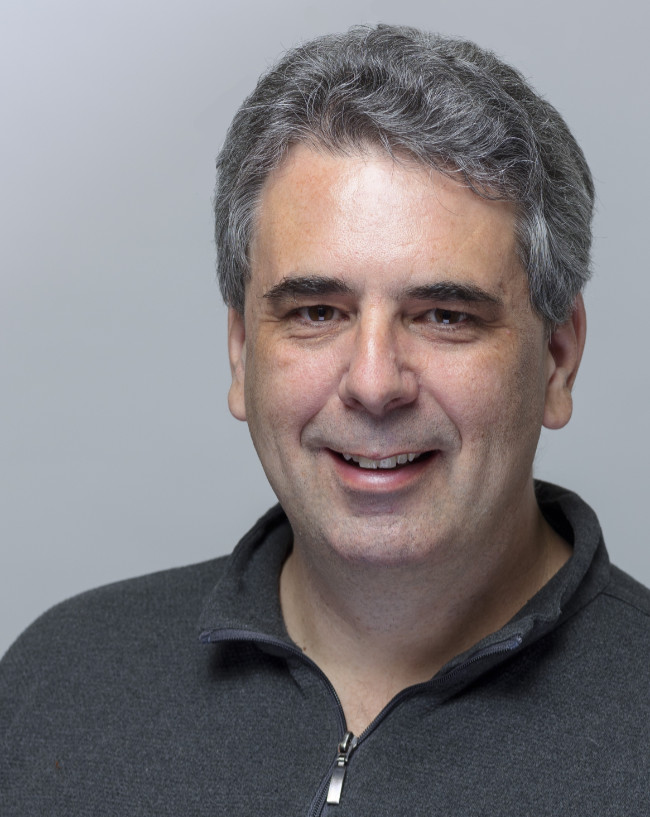
About the author: Leighton Tebay | IFS Therapist
Leighton Tebay is husband, father to three and a Certified Counsellor in Canada. Shortly after he started his internship for his counselling degree he discovered IFS at a treatment for CPTSD. With that came a passion for helping people heal from trauma. In September 2021 Leighton finished the official training to become a Level 1 IFS Therapist. If you are interested in booking a session with Leighton he is available in person in Saskatoon and online serving all of Canada.
Click here to reach out or book online and lets see how I can help.